

June 3, 2026
Two recent reports one from Don’t Waste Buildings and one from Historic England show how building reuse can deliver homes, economic growth and healthier high streets. The message is clear: the quickest, least wasteful route to regeneration and housing supply often starts with what we already have.
Why reuse matters now
Across the country, towns and villages are balancing three pressures at once: the need for more homes, the need to revive struggling centres, and the need to cut carbon. Reusing existing buildings speaks to all three. It can bring empty or underused property back into productive use, support local jobs in repair and retrofit, and help safeguard the character that makes places distinctive.
What the evidence says: reuse is an economic strategy
In The Reuse Dividend: Unlocking Economic Growth from Britain’s Existing Buildings (Don’t Waste Buildings, 14 April 2026), the authors review how eight countries (France, Germany, the United States, Ireland, Canada, the Netherlands, Belgium and Italy) have used financial incentives to make building reuse the default choice at scale. The consistent finding is that governments that treat existing buildings as assets, not obstacles, see paybacks in regeneration, jobs, housing delivery and community outcomes.
For the UK, the report highlights four measures that could quickly shift the market towards repair and adaptation:
- Level the VAT playing field by reducing or zero-rating VAT on repair, maintenance and renovation (noting that new-build homes are currently zero-rated, while most repair and conversion attracts 20% VAT).
- Introduce tax credits for reuse, including reliefs to encourage purchase and reactivation of vacant buildings and incentives to use reclaimed materials.
- Create targeted grants for vacant buildings, focused on high streets and town centres.
- Provide subsidised finance for deep reuse through long-term, low-interest loans linked to high energy performance standards.
While national tax policy sits outside local planning control, the implications are felt locally: VAT and finance conditions shape viability, which in turn shapes whether owners invest in reuse or opt for demolition-and-rebuild. For heritage assets and historic townscapes, a policy environment that tilts away from repair can unintentionally undermine conservation-led regeneration.
What the evidence says: vacant historic buildings can deliver homes
Historic England’s insight report New Homes from Vacant Historic Buildings (March 2025) estimates that repairing and repurposing vacant or underused historic buildings could provide around 560,000 to 670,000 new homes in England. The analysis draws on multiple datasets and makes clear that vacancy is difficult to measure; the figures are broad estimates, with assumptions set out transparently. Even with that caveat, the headline is significant: there is substantial housing capacity within existing historic stock through conversions of vacant non-domestic buildings, bringing homes back into use, and making better use of space above shops.
What this means for planning and heritage
Taken together, these reports reinforce a joined-up approach: treat vacant and underused buildings, especially in town centres and older neighbourhoods, as a primary pipeline for both housing and regeneration. That means aligning heritage outcomes (retaining significance and character) with delivery outcomes (homes that meet modern standards and are attractive to live in).
- Start with a reuse-first options appraisal. For many sites, the key planning question is not “can we demolish?” but “what viable reuse options exist, and how have they been tested?”
- Make vacancy visible. Mapping long-term vacant property and underused upper floors helps target advice, enforcement tools where appropriate, and regeneration support.
- Use conservation-led design to unlock value. Good conversion schemes keep what matters (significance, streetscape, materials) while re-planning interiors to meet space standards and improve accessibility.
- Plan for retrofit early. Energy performance upgrades are easiest to integrate when considered from the outset, particularly for traditional buildings where breathability and moisture management are critical.
- Match the right building to the right use. Not every historic building suits every form of housing; early feasibility should test daylight, access, servicing, fire strategy, and amenity space.
What we look for in reuse proposals
- A clear statement of significance (for listed buildings, conservation areas, and non-designated heritage assets) and an explanation of how proposals conserve or enhance it.
- A retrofit approach that is suitable for the construction type (including ventilation and moisture strategy), with heritage impacts clearly explained.
- A phasing and deliverability plan for larger or complex sites, especially where temporary uses could help bring buildings back into use.
Conclusion
Both reports point in the same direction: if we want more homes and stronger places, we should make it easier and more rewarding to repair, convert and re-occupy existing buildings. The opportunity is to prioritise reuse in strategies, guidance and day-to-day decision making, so that the buildings we already have can support the next chapter of living and working in our towns and villages.
At Avalon, we believe the greenest building is the one that already exists. Over the years, we’ve worked on hundreds of projects that give historic buildings a new purpose while respecting their character.
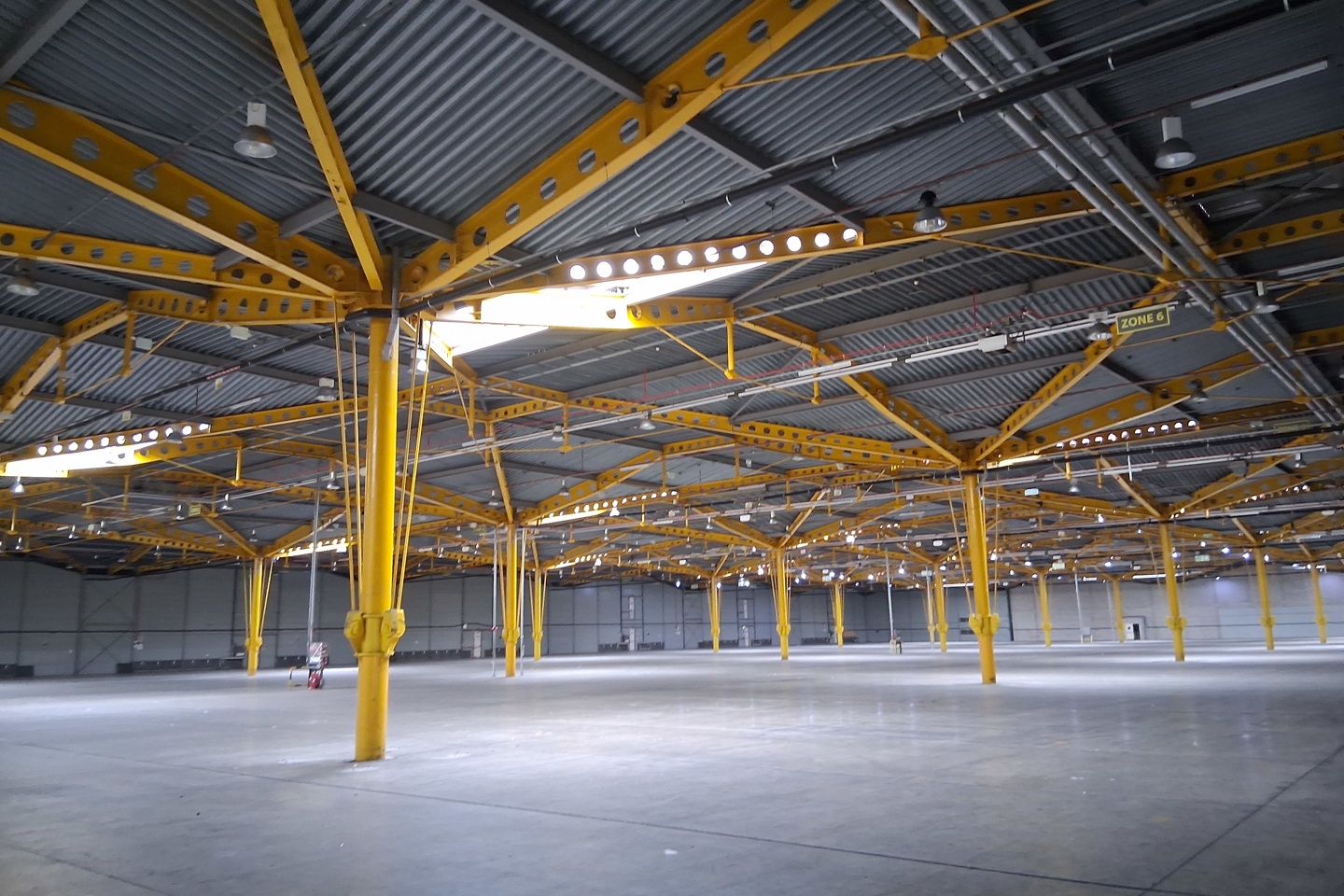
Our work at the Grade II* listed Spectrum Building in Swindon transformed a largely disused warehouse into a cutting-edge drone manufacturing facility, demonstrating how heritage assets can support innovative, future-facing industries. In Weston-super-Mare, we secured consent to reimagine a long-closed lido as an events venue which will bring new energy back to a much-loved community space. And at Winslade Park, we helped unlock the sensitive conversion of a country house, later a corporate headquarters, into a mixed-use destination comprising homes, offices, and a hotel.
Projects like these capture what drives us. We help find thoughtful, viable ways to bring historic buildings back into meaningful use. We’re passionate about helping these places evolve, ensuring they continue to contribute to their communities for generations to come.