

June 5, 2026
In listed building projects, the biggest challenge is often not technical feasibility but the inherent subjectivity involved in assessing a building’s special interest and what constitutes harm. In the context of fast-moving fit outs – often with fixed programmes and immovable occupation dates - this subjectivity can translate directly into risk: design development can be paused, revisited or re-scoped as different stakeholders place different weight on different parts of the historic fabric.
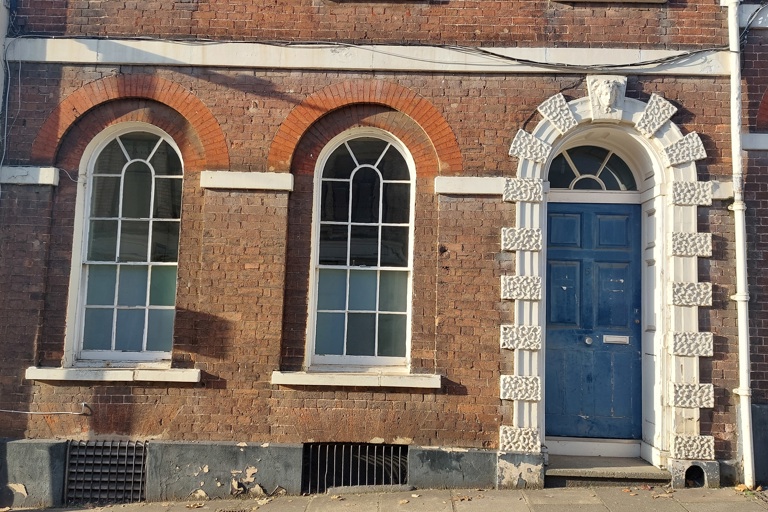
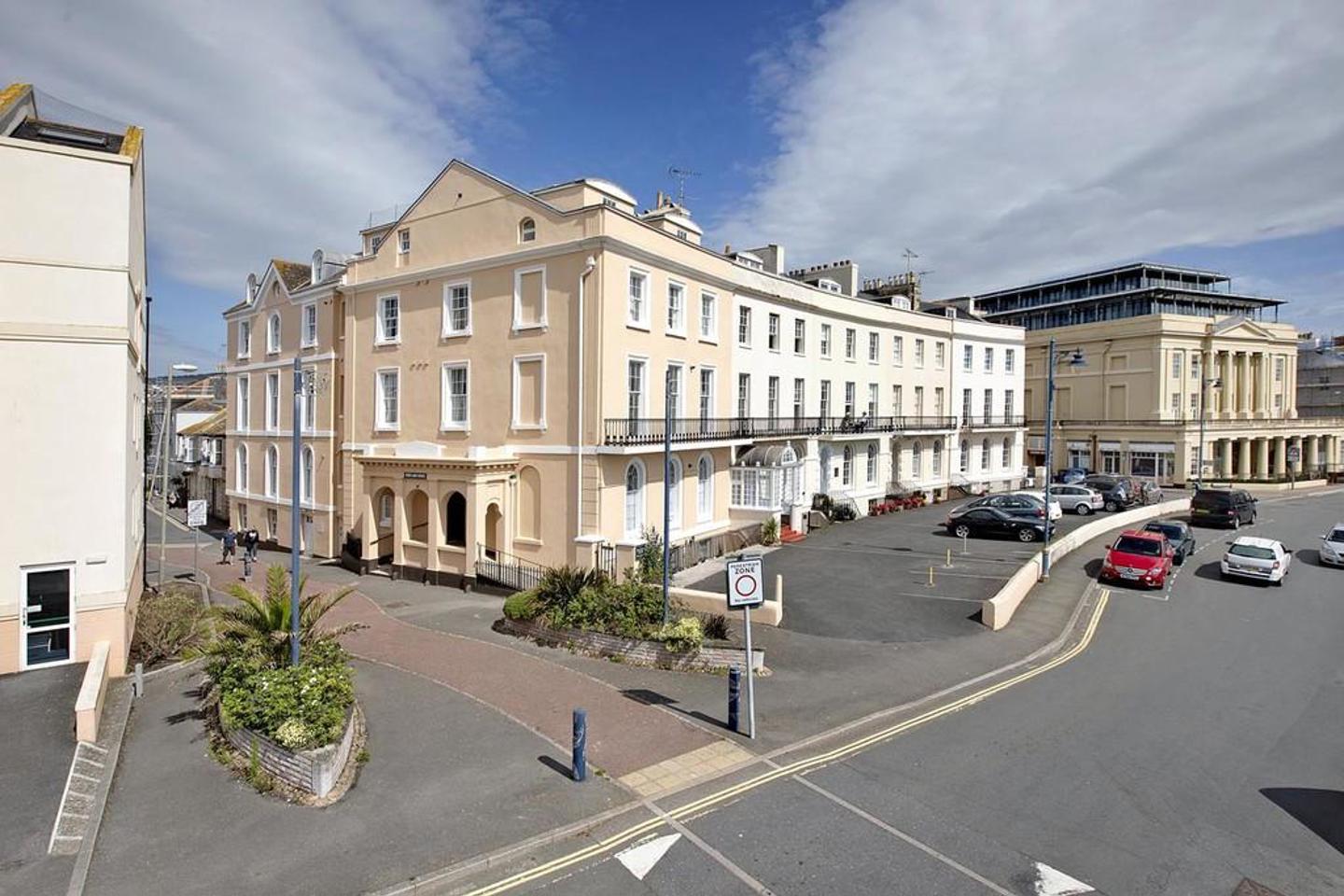
When the current occupiers of a Grade II listed former Georgian townhouse began exploring how to improve day-to-day functionality, they first sought specialist guidance on what could be achieved without Listed Building Consent (LBC). Here, Avalon’s early input focused on identifying where significance was most strongly expressed and where later alterations had already changed the historic plan form and fabric.
In this case, modern partitions and services had already been introduced, meaning that carefully considered further reconfiguration appeared likely to be acceptable where it related to non-original layouts and could be designed to be reversible.
On paper this sounds straightforward, but in practice it rarely is. A key part of working with listed buildings is recognising that professional judgement is not absolute. The same evidence can, and often does, lead to different conclusions.
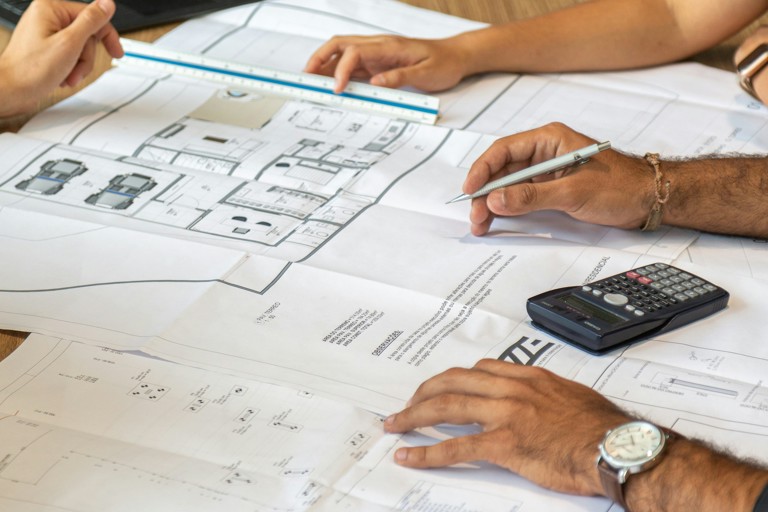
Following a feasibility study in April 2025, it became clear that achieving the desired internal arrangement would also require coordinated upgrades to building services, including new plant and fire doors to meet current performance and compliance expectations. At that point, the project moved from a question of “what can be done without LBC?” to a broader strategy that balanced performance requirements with the protection of special architectural and historic interest.
For projects on fixed fit-out programmes, this is often the tipping point, when the subjectivity surrounding special interest and what constitutes harm becomes a practical risk, with knock-on effects for project scope, coordination and timelines.
Avalon guided the project team through this process by advising which elements would require LBC and which would trigger planning permission, working closely with the wider consultant team to help translate technical proposals into options that minimised intervention in historic fabric and prioritised discreet, practical solutions. Even where our initial assessment of significance and harm differed slightly from that of the Conservation Officer, the matter was resolved swiftly through an on-site meeting with the council and subsequent minor amendments to the M&E design.
For clients working to a rapid delivery programme, the key takeaway is that listed building projects are inherently exposed to interpretive risk. This is where heritage consultancy adds real value: by identifying sensitivities early, translating technical requirements into reversible and proportionate interventions, and maintaining a clear line of communication with the local authority, we help teams secure timely consents, reducing the likelihood of redesign by delivering policy compliant improvements that respect and enhance a building’s special architectural and historic interest.