


April 28, 2026
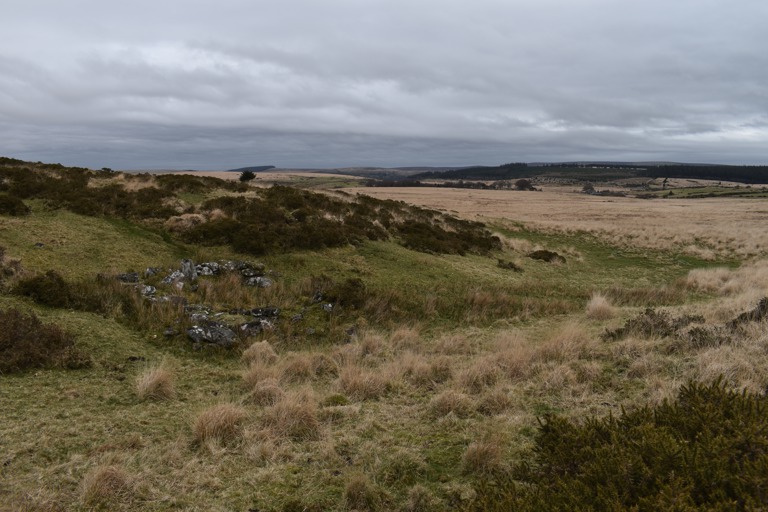
Burrowing animals such as rabbits and moles are drawn to the well‑drained, easily tunnelled soils that often make up grassland earthworks. Their burrows can disturb archaeological deposits, cause earthwork collapse and create erosion scars - especially where livestock trample entrances.
This insight summarises practical control and exclusion options, along with key legal and consent considerations.
Why burrowing animals matter on earthworks
Earthworks survive because their shape and soil structure remain intact. Burrowing breaks that structure, can bring buried material to the surface, and creates voids that later collapse. Once openings are present, rain and trampling can turn them into expanding erosion scars, accelerating loss of form and detail.
What you can do: practical management options
Most sites benefit from a combination of approaches: reducing rabbit numbers to a tolerable level, limiting access to vulnerable earthworks, and managing habitat so burrows are easier to locate and treat. Choose methods that minimise further ground disturbance.
- Humane population control to reduce damage to an acceptable level (complete eradication is usually impractical).
- Block up burrow entrances where safe and appropriate - avoiding any additional digging that could damage the monument.
- Exclude rabbits with fencing or netting (details below).
- Trapping (including cage trapping) with frequent checks and humane dispatch; relocation is not generally a practical solution at scale.
- Co-ordinated action with neighbours to reduce reinfestation (rabbits do not respect boundaries).
Excluding rabbits: fencing and surface netting
If fencing is appropriate, ensure netting mesh is no larger than 90 mm. On earthworks, netting should be about 750 mm high, with the bottom lapped at least 150 mm along the ground and securely pegged so rabbits cannot push underneath. If the site is a Scheduled Monument, you may need Scheduled Monument Consent before installing fencing or other works.
As an alternative (or supplement) to fencing, wire netting can be laid over an earthwork surface. It should extend at least 300 mm beyond the slope break, be overlapped where widths meet, and be pegged at regular intervals. Vegetation will usually grow through within about a year to help anchor it, but it will still need periodic inspection and repair. Surface-laid netting is not suitable on mown sites where machinery could snag the wire.
Timing, monitoring and habitat management
Rabbit control is often most effective from November to March, when natural mortality has already reduced numbers, vegetation is dying back (making burrows easier to find), and action can reduce the breeding population ahead of spring. Whichever method is used, check for fresh activity soon after treatment and plan follow‑up work to deal with re-opened holes. Habitat management - such as selective thinning of scrub and ground cover - can be essential to gain access to burrows, but avoid sensitive periods (for example, bird nesting season).
Legal, welfare and consent considerations (UK)
- Animal welfare: It is an offence to intentionally inflict unnecessary suffering on wild mammals (Wild Mammals (Protection) Act 1996). Once a rabbit is caught, welfare duties apply (Animal Welfare Act 2006), so traps and snares must be checked at least daily (and ideally more often) and animals dispatched humanely.
- Disease is not a control method: Deliberately spreading myxomatosis is an offence (Pests Act 1954), and introducing the live virus causing rabbit VHD is prohibited except under licence (Specified Animal Pathogens Order 1998).
- Responsibilities to control rabbits: In designated Rabbit Clearance Areas, occupiers have responsibilities to kill/take rabbits or prevent damage where destruction is not reasonably practical (as set out in the Natural England note).
- Pesticides and gassing: Fumigants must be approved and used to label instructions. Products that generate phosphine gas are highly toxic and should only be used by trained operators with appropriate health and safety controls.
- Protected species risk: Take care around badger setts and other non-target wildlife; it is illegal to gas badgers, and burrows associated with badger setts or fox earths must not be treated.
- Scheduled Monuments: If the earthwork is scheduled, discuss proposals in advance to confirm whether Scheduled Monument Consent is required (including for fencing and any works that could affect the monument).
Key takeaways
- Burrowing can quickly degrade earthwork form and disturb archaeological deposits - early intervention prevents bigger repairs later.
- Use a combined approach: habitat management + targeted control + exclusion where needed.
- Plan control for winter (Nov–Mar) where possible, and monitor for re-activation.
- Prioritise low-disturbance methods and build in welfare, safety and consent checks from the start.