


December 19, 2025
The draft NPPF is out for consultation until 10 March 2026. We’ve taken a close look at what’s changing for heritage and conservation, and here are the bits that really matter.
Good riddance to ‘less than substantial harm’?
The most conspicuous change is that the phrase ‘less than substantial harm’ is gone.
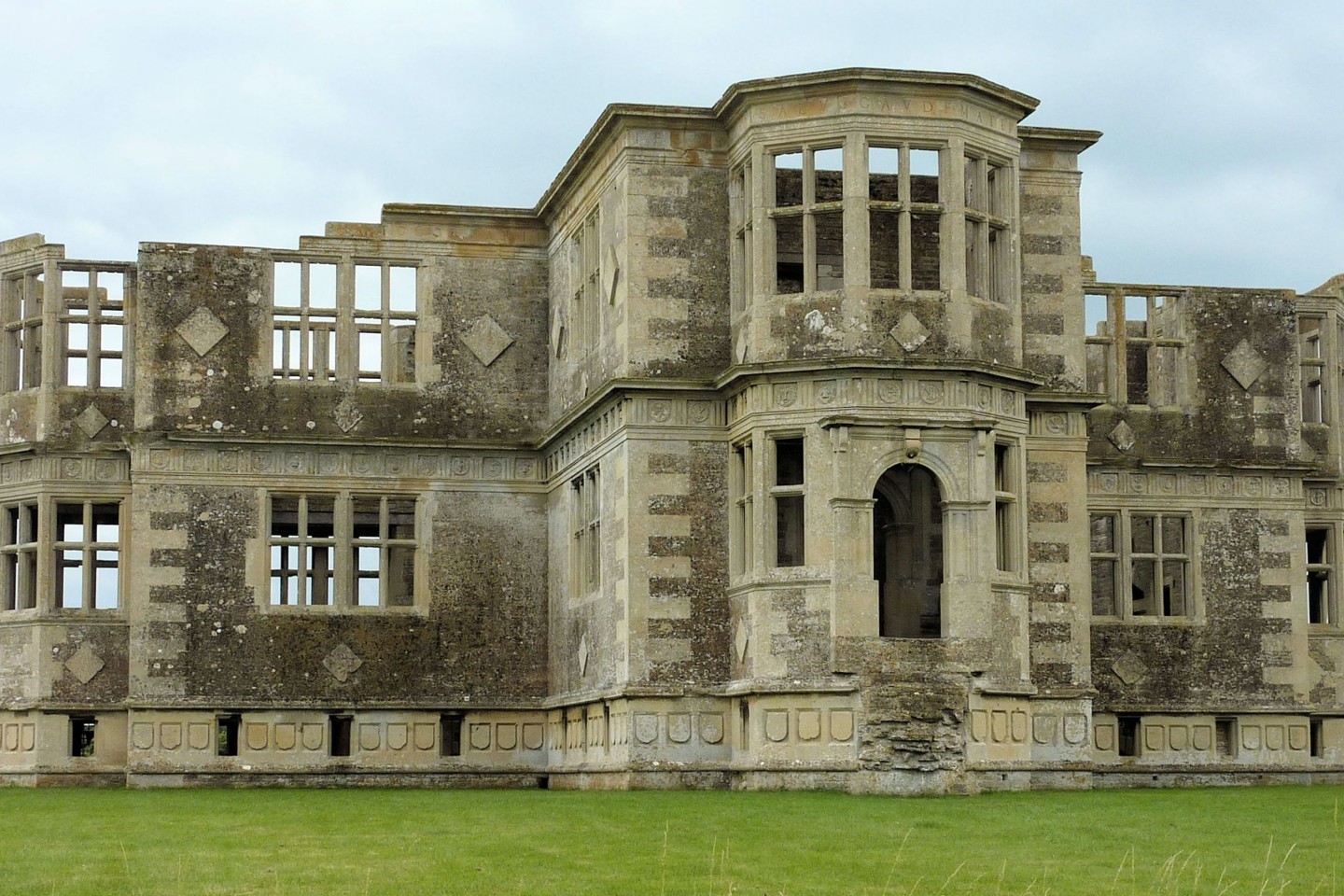
On the face of it, that looks like a step up in protection as the current wording always felt like it downplayed harm. This was, after all, what led the courts to intervene in Barnwell Manor (near Lyvden New Bield, image above) to reaffirm the ‘considerable importance and weight’ (now proposed to be labelled ‘substantial weight’) that must be applied to conservation under the 1990 Planning Act.
The accompanying consultation guidance reveals that this was indeed what was behind the re-draft. It says ‘Stakeholder feedback has consistently highlighted that the application of heritage policy has been one of the most complex matters for applicants and decision-makers to deal with, partly due to the interaction with the special duties in this Act protecting listed buildings and conservation areas. This has led to heritage becoming a regular ground for legal challenge.’
Discussing with colleagues at Avalon we’re pleased to see the removal of ‘less than substantial’ because:
a) it isn’t very useful given that the bar for substantial harm is so high, and
b) it is a mouthful, a very odd and inaccessible term to anyone who isn’t a planner.
That still leaves us with five categories of effect (enhancement/no effect/harm/substantial harm/total loss), and the requirement under Policy HE5 that assessments should be explicit on these outcomes.
In our opinion this is also helpful. It is what Heritage Statements should be doing anyway, but we are sure will encourage clearer advice from applicants. That said, inevitably subjectivity will remain around the degree of harm. HE5 (4) insists that decision-makers should be satisfied that effects are assessed accurately, which underlines the need for objective and expert input.
Optimum viable use vs long-term re-use
Another interesting change is the removed reference to ‘optimum’ viable use and introduction of ‘long-term re-use’ as an example of an important public benefit that could be weighed against harm. On this, the Government’s consultation questionnaire says ‘There are … concerns that the current policies focus too much on addressing harm and do not provide sufficient positive support for the sustainable redevelopment of heritage assets to support growth - for instance, in relation to vacant listed buildings being brought back into use.’
Under the current NPPF the optimum viable use is the one ‘likely to cause the least harm to the significance of the heritage asset, not just through necessary initial changes, but also as a result of subsequent wear and tear and likely future changes’.
In practice, and to demonstrate ‘clear and convincing justification’, this means that currently applications need to explore notional alternative uses when proposing a new that would be harmful to listed building to prove that these alternatives are either more harmful or unviable.
Unless future revisions to the NPPG state otherwise, the new wording would give Local Planning Authorities greater leeway to accept proposals which can provide a viable future for the for a historic site without having to rule out alternatives first.
So, for instance, in the case of a historic chapel, generally the best use is as a place of worship. But say the chapel closes and begins to deteriorate, what is the next-best alternative? A form of public use? But there are often resource implications in planning for such a use. Residential conversion is generally the most viable proposition.
Under the present NPPF, it would need to be demonstrated that a range of uses had been considered before proposing a conversion to residential. But would this still be the case if an applicant only needs to demonstrate a strategy for “long term reuse” rather than our chapel’s “optimum viable use”?
In policy HE6 (3) energy efficiency and low carbon explicitly become ‘important’ public benefits, but any harm they cause will still need to be balanced against the substantial weight attributed to conservation.
A strengthened presumption in favour of development
Sections S3, S4 and S5 strengthens the presumption in favour of development in settlements and in certain locations outside of them, including around railway stations, where adverse effects need to ‘substantially’ outweigh harm. This pits substantial benefits of residential development against the substantial weight to be attributed to conservation and will leave many developments finely balanced where heritage settings impacts arise.